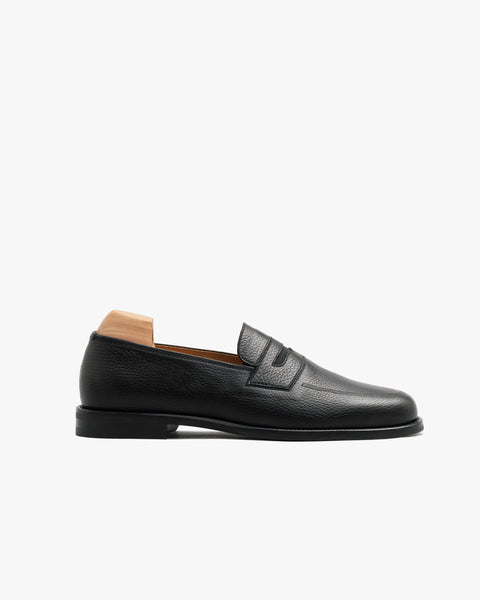
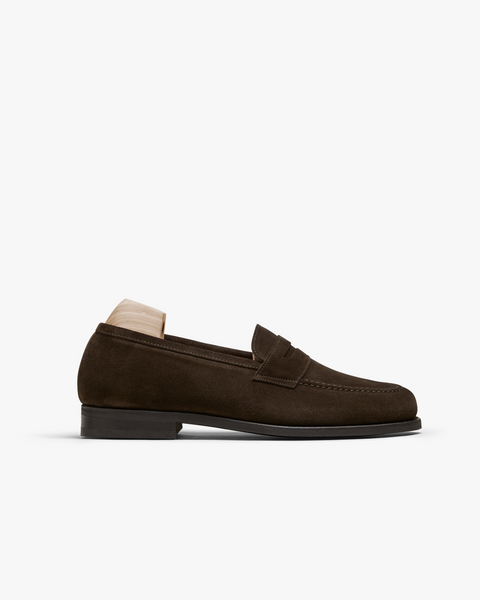


Yes — shoe trees work, but the job is shape, not stretching. A tree fills the shoe as the leather dries, so it rests on its proper form instead of setting into the day's creases, while cedar draws out moisture and keeps the shoe fresh. A correctly sized tree holds shape; it never stretches.
A shoe tree is a purchase that tends to arrive with suspiciously convenient advice: buy the shoes, then buy the thing that protects the shoes — from the people who just sold you both. Scepticism is fair. We make cedar trees ourselves, so we have a stake in the answer, and you should weigh what follows accordingly.
The case doesn't rest on our word, though. It rests on what happens when you take a pair off at the end of the day: the leather is warm, slightly damp from the hours on your foot, and about to dry into whatever shape it's left in. Everything a tree does — and the two things it doesn't — follows from that.
What a shoe tree actually is
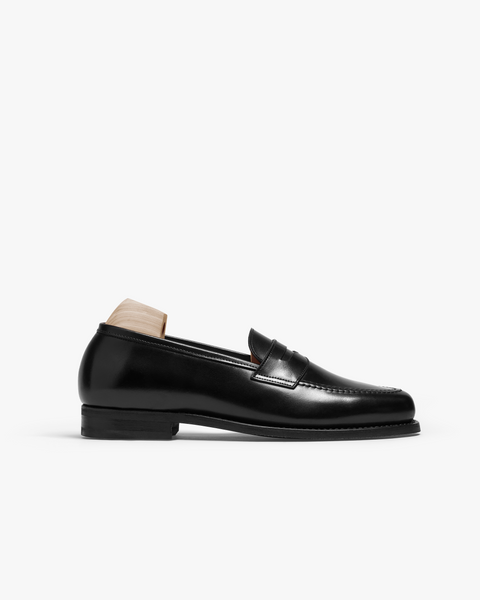
The object itself is simple: a shaped block that fills the front of the shoe, a smaller one that sits in the heel, and a spring or a solid tube holding light pressure between them. Better trees split the toe block down the middle so it spreads sideways and fills the shoe's width as well as its length. Most are wood, usually cedar; the rest are plastic. That's the entire field — the differences worth paying for are a shape that matches your shoe and a material that does something about the day's moisture.
The job is shape
While you're wearing a shoe, your foot keeps it in shape. The moment you take it off, the support is gone and the drying begins — and damp leather dries into whatever position it's held in. Left empty, a shoe slumps: the vamp folds along the day's creases, and as the moisture leaves, those folds harden in place. Repeat that daily and the creases stop being surface marks and start becoming the shoe's shape.
A tree interrupts this at the only moment that matters. With the form inside, the leather dries under light tension, resting on something close to the last it was made on, so the creases are held open while they set rather than folding deeper. That's the whole mechanism.
There are smaller benefits besides. A filled shoe is easier to polish, since you're working against a firm surface rather than a collapsing one, and a wooden tree starts drawing the day's damp out of the lining as soon as it goes in. But shape is the point.
Do they stretch your shoes?
No — and this is the thing people most often get wrong, in both directions. Half the doubt about trees comes from the worry that they'll stretch a shoe out of its fit; half the false hope comes from expecting them to stretch a tight pair into it. Both misread what the tree is doing. A correctly sized tree fills the shoe without straining it: it holds the leather where the last put it, and pushes no further. If a pair fits, a tree keeps it fitting. If a pair is too tight, a tree won't fix it: stretching is what a dedicated shoe stretcher is for, a different tool built to force the leather outward, and one best used by a cobbler.
The caveat sits at the cheap end of the market. A wire-sprung tree with a small heel knob doesn't hold a shoe's shape so much as press at two points, and the spring concentrates that pressure on the heel counter — over time it can distort the very shape it was meant to keep. The same goes for forcing in a tree a size too large. Sized right, though, a tree just sits there.
Cedar or plastic
Any well-shaped tree does the shape work. The material only matters for the second job, which is moisture. Unvarnished wood is absorbent, and cedar draws the day's damp out of the leather and lining rather than leaving it to sit. The scent does its part too — it keeps a shoe fresh between wears, and cedar's natural oils are widely held to resist the bacteria behind odour. We'd stop short of anything stronger than that: the effect is real, but modest.
Plastic holds shape and does nothing about moisture. That isn't a dismissal — it's a use case. Plastic trees weigh very little, which makes them the right tree for a suitcase and the wrong one for the wardrobe.
Two smaller notes on wood. A varnished tree looks smarter and absorbs less, because the finish seals the surface that does the work. And a cedar tree whose scent has faded isn't used up — a light sanding brings the scent back and opens the wood again. The tree we make is solid cedar with a split toe, and our suede care guide keeps cedar trees in the routine for the same reasons: suede takes no cream or wax, so drawing moisture out is a bigger share of its care.
How to use them
Buy the tree in your shoe's size — ours are sized the same way the shoes are. The right fit is snug and undramatic: the tree goes in with a little resistance, spreads until the upper sits smooth, and stops there. If you have to wrestle it past the heel, or the leather looks strained across the vamp, it's too big; if it rattles about, it's doing nothing.
Timing is the part most people miss. Slide the trees in when you take the shoes off, while the leather is still warm — that's when it's most shapeable, and the first hours of drying are when the creases set. Leave them in for at least a day, and after rain longer, with the pair drying at room temperature well away from radiators. A day worn without socks counts as a wet day too, which is one reason cedar trees turn up again in our guide to going sockless.
Past that, one pair of trees is enough to begin with — keep them in whichever shoes you took off last.
The honest verdict
So: worth it? Here's the ranking we'd defend. The best thing you can do for a pair of leather shoes is rest it: leave a day between wears and the leather sheds the moisture a day's wear drives in, easing back toward its shape on its own. Rotation does most of the work, and no tree substitutes for it. What a tree does is finish the job: rest lets the leather recover, and the tree sets the shape it recovers into. The full routine around all this — brushing, cream, storage — is in our guide to caring for leather shoes.
The claim worth making is smaller than the marketing version, and still enough. A tree won't transform a cheap shoe, and it won't spare you the brush and the cream. What it does is protect the one part of a good shoe that can't be replaced. A welted or Blake-stitched pair can have its sole rebuilt without touching the leather above it, so the pair lasts as long as the upper stays sound — and the upper is exactly what the tree preserves. For shoes you intend to keep for years, that's cheap insurance. For shoes you don't, no accessory will change the maths.
The tree, and the care to go with it
View all


Two more questions
Can you use shoe trees in boots?
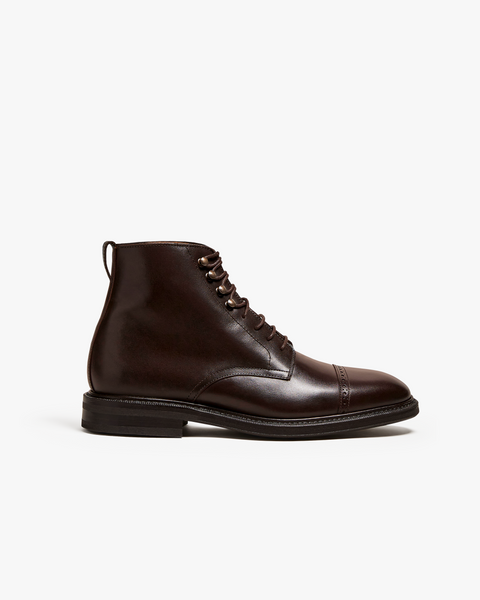
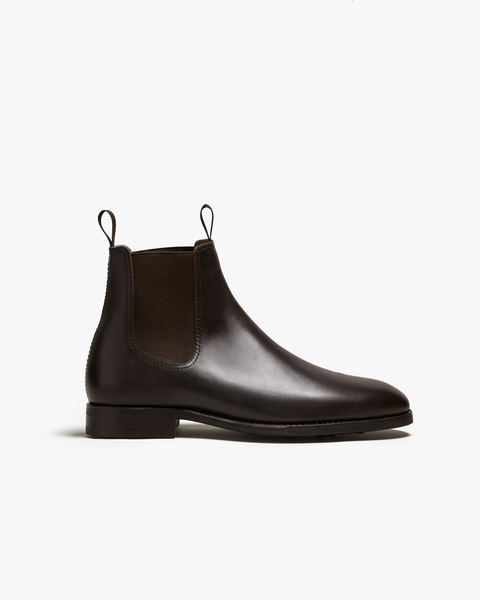
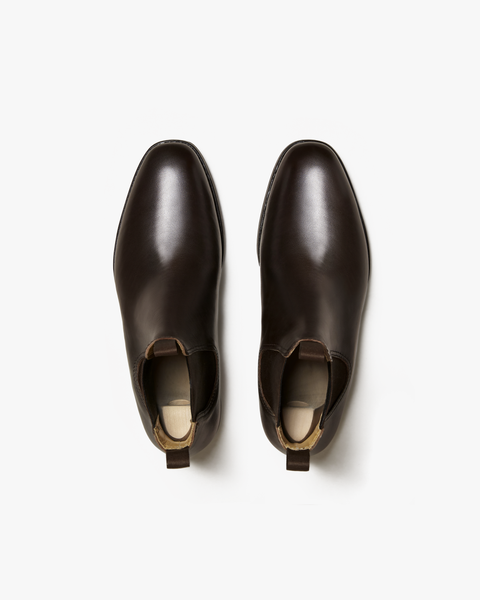
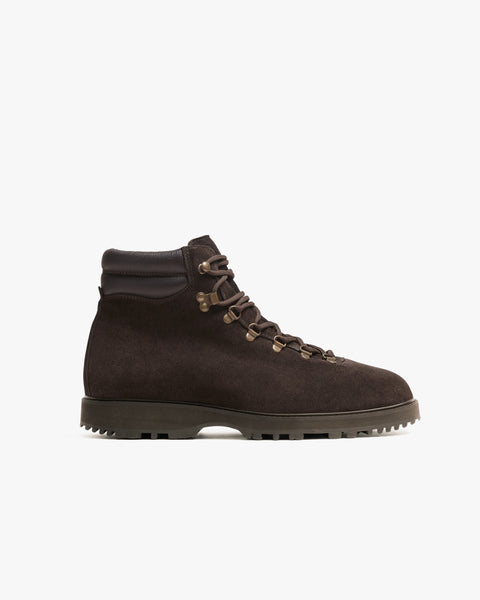
Yes. The foot of a boot creases and holds damp exactly the way a shoe does, and a standard tree serves it well — for chukkas and other ankle boots it's all you need. Tall shafts are the one addition: they slump between wears, so a dedicated boot tree with a shaft support keeps the leg standing.
How long do cedar shoe trees last?
The scent fades long before the tree wears out. The working parts are solid wood and a simple mechanism, and when the aroma dulls, sanding the surface lightly revives it and opens the wood that does the absorbing. A tree that's lost its smell isn't due for replacement.


